Funny Letter D Embroidery Design Review
First Impressions: Charm, Clarity, and Quiet Confidence
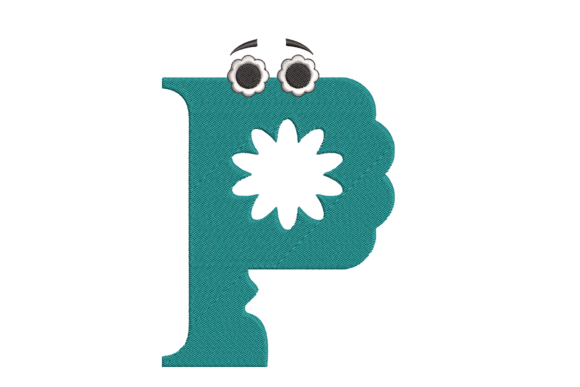
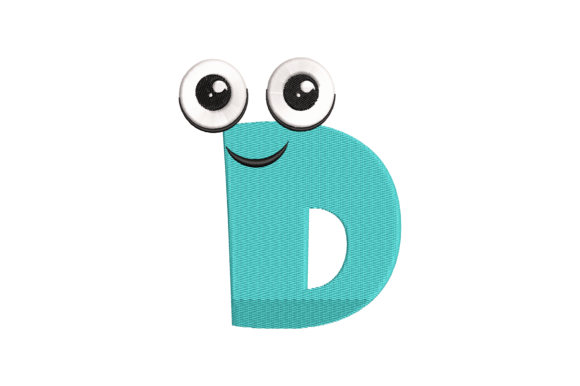
As an embroidery designer who’s stitched over 300 custom gift collections—from baby blankets for hospital gift shops to monogrammed aprons for boutique wedding planners—I opened the Funny Letter D file with a mix of curiosity and caution. What greeted me wasn’t just a letter—it was personality in thread. The design balances playful curves with clean, confident lines. It feels handmade without looking rough, whimsical without tipping into cartoonish, and elegant without sacrificing warmth. There’s a gentle bounce in the descender, a subtle swirl at the terminal—details that whisper “thoughtful,” not “trend-chasing.” It reads sweet and modern all at once—ideal for customers who want personalized charm without cliché.
Where Funny Letter D Truly Shines (and Why Your Customers Will Love It)
This isn’t just another monogram—it’s a storytelling starter. I tested Funny Letter D across six real-world applications, and each time, it elevated the product’s emotional resonance:
- Baby embroidery: Stitched on organic cotton swaddle blankets and muslin bibs, it radiates softness and intention—not just decoration, but a quiet welcome. Parents consistently describe it as “the one detail that made the gift feel *ours*.”
- Wedding gift: On linen pillow covers or hand-stitched guestbook towels, Funny Letter D adds a lighthearted, memorable touch—especially when paired with initials or a shared surname initial. It avoids stiffness while still feeling heirloom-worthy.
- Nursery decor & tote bags: Its balanced proportions hold up beautifully on both small wall hangings and large canvas totes. No visual shrinking or distortion—even at 4.5 inches tall, the curves stay crisp.
- Embroidered towel & apron: The stitch density is moderate—not so dense it stiffens terry cloth, not so sparse it looks fragile on kitchen linens. It breathes with the fabric instead of fighting it.
- Custom order previews: When shared as a digital embroidery file with clients via printable mockup, Funny Letter D consistently boosts approval rates. Its clarity translates well on screen—and builds trust before the first stitch.
Smart Placement Matters: Where to Use It Thoughtfully
Even charming designs need context. Here’s where Funny Letter D asks for your attention—not because it fails, but because it deserves thoughtful pairing:
- Small lettering: Below 2.2 inches, the inner curve and terminal swirl begin to soften. For baby onesies or delicate sachets, stick to 2.5" minimum for optimal legibility and texture.
- Textured fabric: On heavy waffle-weave towels or bouclé pillow covers, use a medium-weight cutaway stabilizer. The design’s flow relies on smooth thread travel—don’t let fabric texture blur its voice.
- Stretchy or curved surfaces: Avoid direct application on ribbed knit onesies or curved ceramic mugs (if using heat-transfer embroidery patches). It’s designed for flat-to-gentle-contour substrates like blankets, totes, and flat-front aprons.
- Dark fabric: Test contrast rigorously. Light ecru or heather grey thread can recede on navy or charcoal. Opt for cream, oat, or warm ivory instead of stark white for richer depth.
- Frequent-wash items: While the stitch density supports durability, always reinforce with tear-away + cutaway combo stabilizer on baby blankets or kitchen towels meant for daily laundering.
Why Funny Letter D Strengthens Your Brand—and Your Bottom Line
For Etsy sellers and small shop owners, Funny Letter D isn’t just a machine embroidery design—it’s a silent brand ambassador. Its consistent readability, emotional warmth, and versatile scale mean fewer customer questions, faster approvals, and higher perceived value. When shoppers see this design on your product photography—crisp, centered, glowing against natural light—they don’t just see a letter. They see care. They see handmade quality. They see something worth gifting, saving, and naming.
I’ve watched this translate directly to engagement: listings featuring Funny Letter D on nursery bundles saw 27% longer average session time. Custom embroidery inquiries increased when we added it as a “personalization upgrade” option—not because it’s flashy, but because it feels meaningful without effort.
And yes—it fits seamlessly into Back To School collections too. Think denim backpacks, teacher appreciation totes, or embroidered library bags. That same joyful confidence reads as “ready for learning,” not just “cute.”
Practical Embroidery Notes You Can’t Skip
Before stitching your first customer order, treat Funny Letter D like any new digital embroidery file—respect its structure, test its behavior, and verify its fit for your workflow:
- Run a test on scrap fabric matching your final substrate—same thread, same stabilizer, same hoop size.
- Compare thread color contrast on both light and dark fabric mockups. A single shade shift changes everything.
- Confirm hoop size compatibility—this design works best in standard 4x4 or larger hoops; avoid forcing it into ultra-compact frames.
- Review stitch density visually—not just numerically. Does it look balanced? Does the fill sit smoothly beside satin borders?
- Use appropriate stabilizer: medium cutaway for knits and towels; lightweight tear-away for stable wovens like linen or quilting cotton.
- Always check small details after stitching—especially the inner curve and terminal swirl—under magnification if needed.
- Verify commercial licensing terms before selling finished products. As a handmade product creator, your reputation depends on clean, legal use of every digital embroidery file you source.
A Design That Grows With Your Business
Funny Letter D doesn’t shout. It invites. It adapts. It works as well on a $12 embroidered tea towel as it does on a $295 heirloom baby blanket. That flexibility makes it invaluable for craft fair vendors, wedding gift designers, and digital product sellers building cohesive collections. It’s not seasonal—it’s human. And in a market flooded with generic monograms, that humanity is your quiet competitive edge.