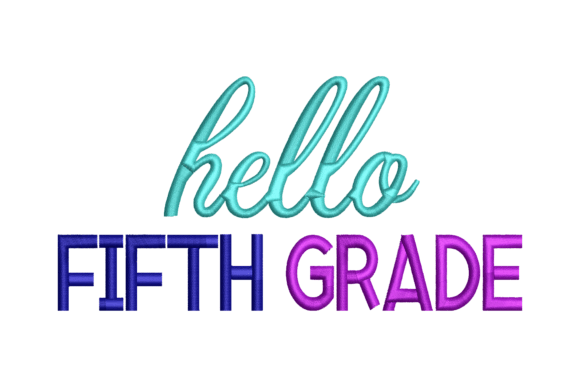
Hello Fifth Grade
First Impression: Warm, Nostalgic, and Instantly Relatable
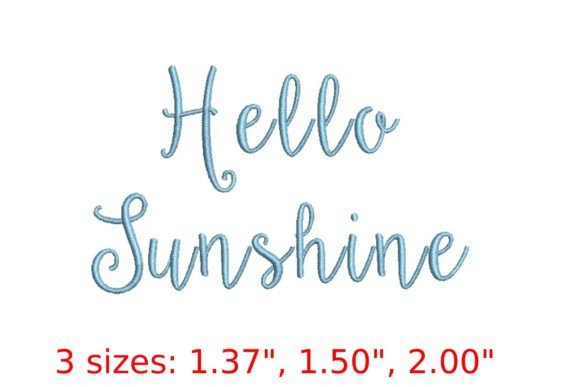
As an embroidery designer who’s prepped over 200 craft fair booths—and shipped thousands of digital embroidery files to Etsy sellers and boutique makers—I opened Hello Fifth Grade expecting something sweet but safe. Instead, I got a quiet spark of authenticity. It doesn’t shout “Back To School!” with loud graphics or cartoon mascots. It whispers confidence, growth, and gentle pride—like a well-worn notebook cover signed by a favorite teacher. The title alone lands as warm, slightly nostalgic, and emotionally resonant. It feels modern without being minimalist, charming without being cutesy, and handmade without looking DIY. That balance is gold at a craft fair.
Where Hello Fifth Grade Shines on Real Products
This isn’t a design that needs glitter or sequins to stand out—it earns attention through intention. Here’s where it delivers strongest in person:
- Tote bags: Centered on natural canvas or oatmeal linen, Hello Fifth Grade reads clearly from six feet away. It’s bold enough for booth visibility but refined enough to avoid looking like a school supply label.
- Aprons: Positioned just above the pocket or centered on the bib, it adds personality without overwhelming function. Parents and teachers alike pause here—especially those shopping for classroom volunteers or homeschool co-ops.
- Tea towel embroidery: On flour-sack cotton or waffle weave, the phrase gains softness and tactility. The rhythm of the lettering breathes with the fabric texture instead of fighting it.
- Embroidered patches: As a sew-on or iron-on patch, Hello Fifth Grade becomes a subtle badge of honor—perfect for backpacks, denim jackets, or graduation gift bundles.
- Fabric pouches & pillow covers: At smaller scales (3–4 inches wide), it retains legibility and charm. Unlike dense monograms or intricate florals, this phrase holds up beautifully when scaled down.
What Makes It Craft Fair-Ready (and Etsy-Listings Friendly)
At its core, Hello Fifth Grade is a smart commercial embroidery choice because it’s instantly understandable. No decoding needed—just warmth, timing, and relevance. Buyers scanning your booth don’t need context; they feel it. That emotional shorthand translates directly to faster decisions, especially during busy Saturday morning foot traffic.
It photographs exceptionally well for online listings too. Clean backgrounds, soft lighting, and even natural window light highlight its elegance—not its technical execution. That means less editing time for the Etsy seller juggling orders and mockups. And yes—it works across multiple design assets: printable mockups for social media, consistent branding on packaging labels, and cohesive booth signage (think burlap banners or chalkboard signs echoing the same phrase).
Production Reality Check: What to Test Before You Stitch
Even lovely designs can stumble in translation. Here’s what I always verify before cutting fabric for a craft fair run:
- Test on scrap fabric first—especially if using textured tea towels or thick twill for caps. Letter spacing and stitch density behave differently on each surface.
- Check thread contrast carefully. A cream-on-navy version may look elegant in theory—but under market tent lighting, small letterforms can blur. Stick to high-contrast combos unless you’ve confirmed clarity in person.
- Review spacing between letters. Tight kerning looks sleek digitally—but on curved cap surfaces or stretchy knit pouches, it can distort. Leave breathing room.
- Confirm hoop size compatibility. If your machine requires frequent rehooping for larger layouts, factor that into production time per item.
- Inspect stitch density. Dense fills behind letters? That’s fine on stable cotton—but skip it on loosely woven linen or dark fabrics where coverage may look muddy.
- Use the right stabilizer. Tear-away works for smooth cotton totes; cut-away is non-negotiable for knits or textured towels.
- Create at least one real mockup—not just a digital preview. Drape it on a tote, hold it next to your other Back To School designs, and ask: Does it hold its own?
- Compare fabric colors side-by-side. What reads “vintage white” on screen might read “off-yellow” in sunlight—or disappear against ecru.
- Confirm commercial licensing terms before selling finished products. This is critical for small shop owners and digital embroidery file resellers alike.
Design Notes That Impact Booth Performance
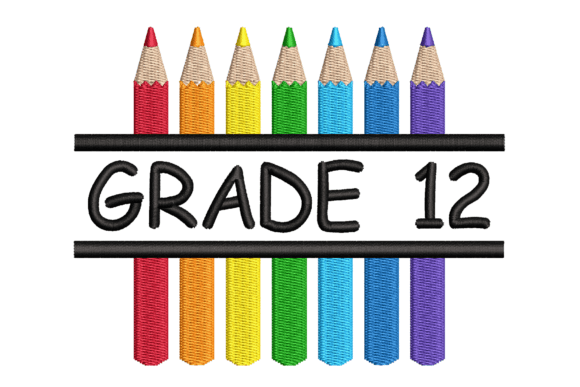
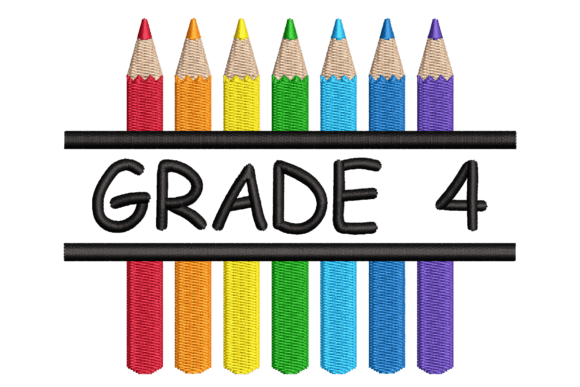
In my experience, Hello Fifth Grade strengthens a booth display not by dominating it—but by anchoring it. It pairs effortlessly with complementary designs (think simple apples, pencils, or minimalist books) without competing. Its tone elevates the perceived value of every handmade product it touches: a $28 embroidered tea towel feels like a keepsake, not just kitchen decor. And because it avoids seasonal clichés, it sells beyond August—it fits homeschool milestones, end-of-year celebrations, and even “I survived fifth grade” gifts for adults.
For the Cricut crafter adding embroidery accents, or the boutique maker sourcing machine embroidery designs for private-label goods, Hello Fifth Grade offers repeatable versatility. You can produce 25 identical tote bags in an afternoon—or mix it across five product types with consistent brand voice. That flexibility reduces decision fatigue and increases margin potential.
Final Thought: A Design That Sells Because It Connects
At the end of a long craft fair day, what sticks in a customer’s memory isn’t the most complex stitch count—it’s the phrase that made them smile, nod, or say, “That’s exactly how I felt.” Hello Fifth Grade does that quietly, confidently, and consistently. It’s not flashy—but it’s memorable. Not trendy—but timely. Not complicated—but deeply considered. For the embroidery business owner, the handmade shop curator, or the Etsy seller building a thoughtful catalog, this is more than a Back To School embroidery design. It’s a human-centered touchpoint—one that turns fabric into feeling, and a craft fair table into a conversation.