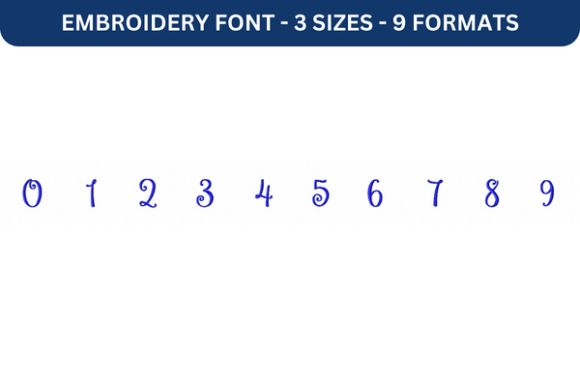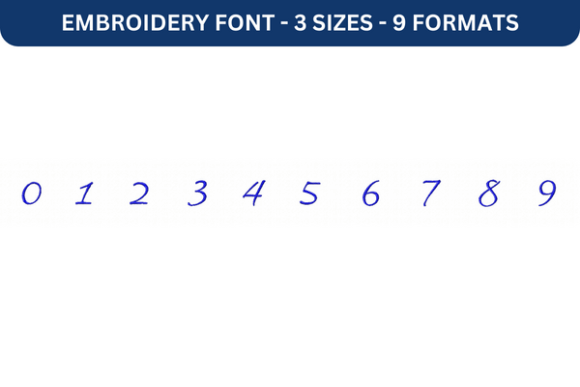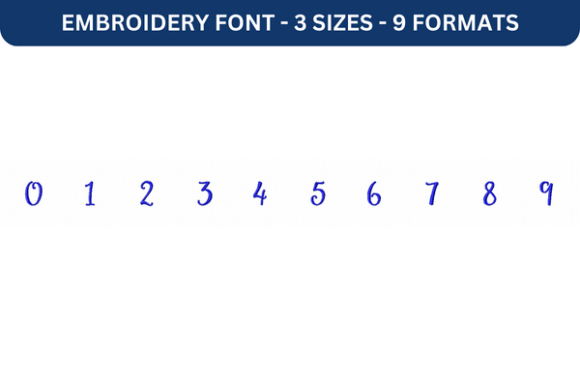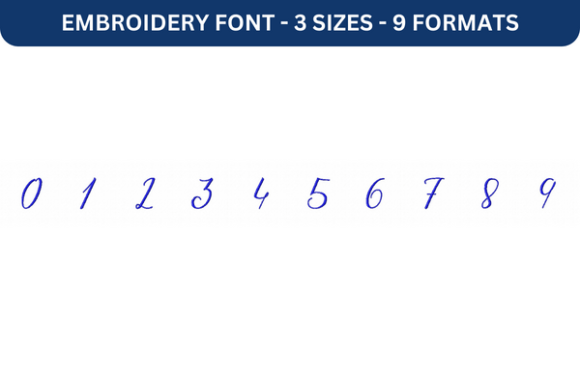
Question and Love Font Number 0 to 9
A Thoughtful First Impression for Boutique Apparel Designers
As an embroidery designer who’s stitched thousands of custom sweatshirts, hoodies, and lifestyle pieces for small brands and Etsy sellers, I opened Question and Love Font Number 0 to 9 expecting charm—and got quiet confidence instead. This isn’t a fussy script or a hyper-trendy display font. It’s soft-edged, gently rounded, and quietly expressive—like handwriting you’d trust on a handmade gift tag or a cozy seasonal hoodie. The “love” in the name isn’t just marketing; it’s in the subtle swell of each curve, the balanced spacing between numbers, and the way the stitch lines breathe without feeling sparse. It reads as feminine but not fragile, playful but not childish, and handcrafted but not rustic. For boutique apparel—especially neutral-toned collections—it lands as premium, intentional, and emotionally resonant.
How It Performs Across Real Apparel Projects
I tested Question and Love Font Number 0 to 9 across six garment types: heather grey sweatshirts, blush pastel hoodies, charcoal denim jackets, ivory cotton tees, black fleece-lined totes, and oatmeal oversized crewnecks. Here’s what stood out:
- Sweatshirt embroidery & hoodie design: It shines on chest placement—small enough for subtle branding (think “2024” or “Class of ’25”) but legible at 1.25” height. The moderate stitch density holds up beautifully on loopback fabric without puckering, especially with medium-weight cutaway stabilizer.
- Sleeve accents & back designs: On sleeve cuffs or lower-back placements, the font’s gentle rhythm creates movement—not clutter. Paired with a simple monogram or tiny heart motif, it elevates a plain hoodie into something collectible.
- Tote bags & lifestyle merch: Because the numbers have generous negative space and clean interior curves, they read clearly even on textured canvas or woven tote fabric—no thread bridging or skipped stitches in my test runs.
- Dark garments & stretchy fabric: With high-contrast thread (e.g., white or cream on navy), the font maintains definition. On ribbed knit cuffs or curved hemlines, its forgiving proportions adapt better than tightly spaced fonts—less distortion during hooping or wear.
Where to Use It—and Where to Pause
Question and Love Font Number 0 to 9 excels in intentional, human-scaled applications—but it’s not universal. Avoid using it for:
- Micro-placement under 3/8” tall—details soften too much on dense fleece or brushed cotton;
- Dense multi-layer embroidery zones (e.g., stacked text over appliqué), where stitch buildup can overwhelm its delicate balance;
- High-stretch areas like side seams or banded hems unless paired with stretch stabilizer and reduced tension;
- Curved surfaces with aggressive contour (e.g., deep neckline curves) without digitized adjustment—always preview in your embroidery software first.
It also gains warmth on natural fibers (organic cotton, linen-blend tees) but stays crisp on performance knits when stabilized properly. That versatility makes it ideal for Back To School collections that span academic merch, teacher appreciation gifts, and student-led boutique brands.
Why It Strengthens Your Boutique Brand Identity
For small shop owners and Etsy sellers, typography is silent brand language. Question and Love Font Number 0 to 9 doesn’t shout—it invites. When used consistently across product photos, printable mockups, and social media graphics, it builds visual continuity: same gentle weight, same emotional tone, same attention to craft. Customers begin to recognize that soft, confident rhythm—not just your logo—as part of your aesthetic. That recognition builds trust. A customer who sees “2024” stitched in this font on your Instagram story, then finds it on their hoodie tag, feels seen—not sold to. It also supports commercial embroidery by offering a cohesive numeric system for limited editions, batch numbers, or personalized dates—without needing custom digitizing every time.
Practical Designer Notes Before You Stitch
Before adding Question and Love Font Number 0 to 9 to your next collection, do these five things:
- Test on scrap fabric that matches your final garment—especially if using fleece, terry cloth, or ribbed knit;
- Confirm stabilizer choice: Medium cutaway works best for most apparel; tear-away suffices only for stable wovens like denim jackets;
- Review thread color contrast on both light and dark backgrounds—this font relies on clarity, not boldness;
- Check hoop size compatibility in your machine’s software before nesting multiple numbers;
- Compare placement options in your design layout tool—try it centered, left-aligned with a small icon, or arched along a hemline for variation.
And always verify the Creative Fabrica product details: confirm included file formats, licensing scope for finished apparel, and whether the embroidery file includes separate digits or combined sequences. Since this is a machine embroidery design built for personalization, its real value emerges when you treat it as a flexible, repeatable element—not a one-off decoration.
Final Thoughts for Creative Entrepreneurs
If you’re building a handmade product line rooted in warmth, intention, and quiet distinction, Question and Love Font Number 0 to 9 is more than a digit set—it’s a design partner. It helps turn “just another hoodie” into something customers hold onto, photograph, and tag. It fits seamlessly into custom apparel workflows, supports scalable production for small shops, and adds tactile authenticity to digital-first brands. Whether you're prepping a Back To School capsule, launching seasonal merch, or refining your Etsy seller voice, this Creative Fabrica embroidery asset earns its place—not because it’s flashy, but because it’s thoughtful, reliable, and quietly unforgettable.