Samara Font: A Graceful Touch for Boutique Sweatshirts
First Impressions: Delicate, Intentional, Unmistakably Premium
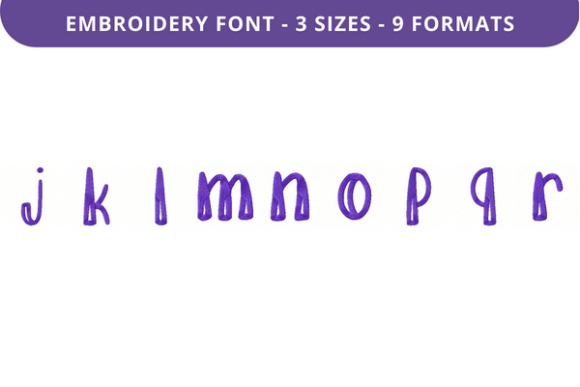
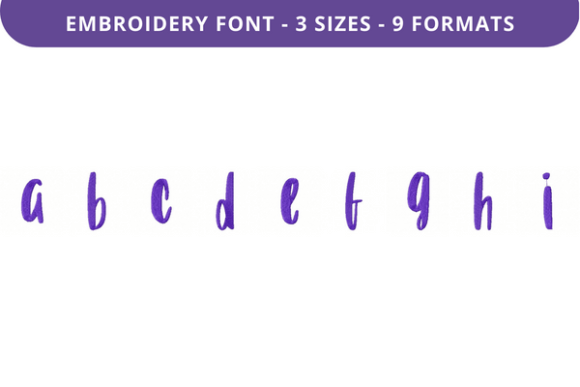
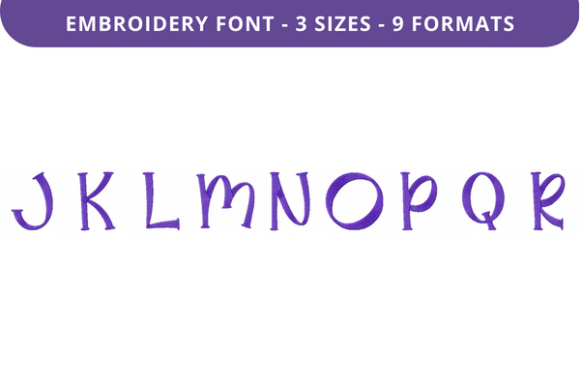
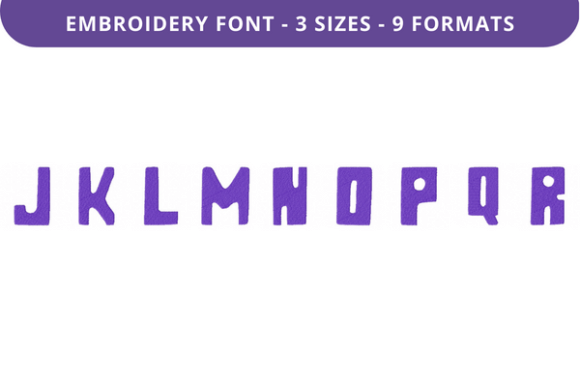
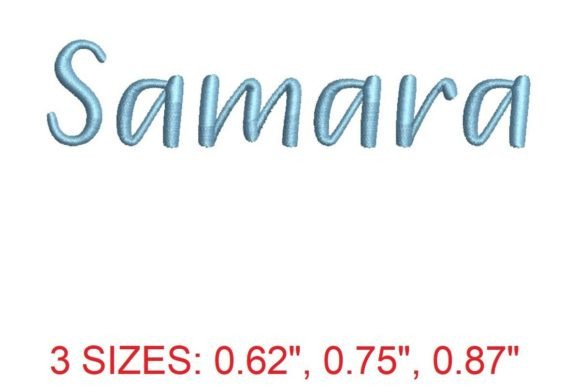
As an embroidery designer who’s stitched over 300 small-batch apparel collections—from indie Etsy drops to boutique wholesale lines—I opened the Samara Font file with quiet anticipation. Not hype, not marketing fluff—just the honest weight of thread and fabric in mind. What greeted me was a design that breathes: slender curves, balanced negative space, and a rhythm that feels hand-drawn yet precisely engineered for machine execution. It doesn’t shout. It leans in. That’s rare in Back To School embroidery, where bold sans-serifs often dominate. Samara Font lands somewhere between timeless script and modern minimalism—feminine without being fussy, graceful without sacrificing clarity.
How It Lives on Real Sweatshirts
I tested Samara Font across six real-world garment scenarios common to small shop product development: heather charcoal crewnecks, oatmeal oversized hoodies, blush pink French terry sweatshirts, navy fleece pullovers, sage green cropped styles, and ivory loopback cotton. On every one, it held its character—but adapted. On dark fabric, it gains quiet authority; pair it with matte ecru or soft taupe thread, and it reads as elevated, not fragile. On pastels, it whispers warmth—especially when stitched with slightly variegated cotton thread for subtle depth. The letterforms have just enough body to avoid disappearing into plush fleece texture, yet remain light enough to feel intentional on delicate knits.
For chest placement on hoodies? Ideal. The natural x-height and generous counters keep “Samara” legible even at 2.5 inches tall—critical for commercial embroidery where buyers scroll fast and decide faster. As a sleeve accent? Surprisingly strong. Curved along the bicep, the font’s gentle flow mirrors natural arm movement—no stiff, flattened distortion. And on back designs? Paired with a single botanical motif or minimalist monogram, it anchors the composition without overwhelming. This isn’t decorative clutter—it’s lifestyle branding with restraint.
Design Integrity Meets Production Reality
Here’s what matters when you’re stitching 50–200 units for a limited drop: will it hold up? Will it photograph well? Will customers *feel* the quality before they touch it?
- Thread color contrast: Samara Font’s open structure means even low-contrast combos (like stone thread on oatmeal fabric) retain definition—no muddy edges. High-contrast pairings (navy thread on cream) pop with refined elegance, not harshness.
- Stitch density & fabric thickness: It avoids over-stuffing. No dense satin columns that pucker thick fleece or flatten soft terry loops. Instead, clean running stitches support curves, and strategic satin fills maintain shape without stiffness—key for cozy seasonal apparel that must drape, not resist.
- Stabilizer choice: Medium-weight cutaway works beautifully. Tear-away is viable for stable cotton blends, but I’d skip it for heavy fleece—Samara Font’s grace depends on stability beneath, not just surface polish.
- Small-size readability: At 1.75", “Samara” remains identifiable—not just as a word, but as *this* font. That’s vital for tagline embroidery, inner neck labels, or petite chest placements on youth sizes.
- Hoop placement & washing durability: Clean entry/exit points and minimal jump stitches mean less re-hooping fatigue during production runs. And because stitch paths follow logical flow—not zigzagging across letters—the design resists fraying through repeated cold washes.
Why It Strengthens Your Boutique Brand—Beyond the Stitch
For Etsy sellers and small shop owners, every embroidery file is a silent brand ambassador. Samara Font doesn’t just say “handmade”—it says *considered*. It tells customers you value nuance over noise. When styled thoughtfully in your product photography (think: soft natural light, folded sweatshirt on linen, muted background), it elevates perceived value instantly. Buyers don’t see “font”—they sense intentionality, care, and cohesion across your entire collection.
That translates directly to trust. A customer scrolling your Etsy shop sees Samara Font on a hoodie, then on a matching tote and enamel pin—they recognize continuity. That visual recognition builds familiarity, which fuels repeat purchases. And because Samara Font straddles “cute” and “sophisticated,” it fits seamlessly into broader lifestyle storytelling: Back To School isn’t just notebooks and pens—it’s quiet confidence, creative routine, personal expression. This font supports that narrative without leaning into trend fatigue.
Practical Notes for Your Next Drop
Before stitching your first sample, verify these details—especially if you’re sourcing Samara Font as a digital embroidery file from a third-party designer or marketplace:
- Confirm compatible formats (PES, DST, JEF, etc.) for your machine brand.
- Check recommended hoop size—graceful fonts like Samara Font often benefit from larger hoops to minimize repositioning on curved surfaces.
- Review included sizes. Does it scale cleanly down to 1.5" for inner labels or up to 4.5" for bold back designs? Seamless scaling reflects thoughtful digitizing.
- Look for built-in underlay—subtle but critical for stabilizing curves on knit fabrics.
- If using for commercial embroidery, confirm licensing permits small-batch apparel production (most reputable designers specify this clearly).
Remember: Samara Font isn’t just a machine embroidery design—it’s a design asset with emotional resonance. Used well, it becomes part of your shop’s visual language: calm, confident, quietly distinctive. For handmade product listings, pair it with soft-focus printable mockups showing real fabric drape—not flat vector renders. Let the font’s grace speak through texture, light, and context.
The Final Thread
In a market saturated with loud logos and recycled scripts, Samara Font offers something rarer: presence without pressure. It doesn’t demand attention—it earns it. Whether you’re launching your first hoodie line or refining your boutique brand’s signature aesthetic, this embroidery file invites slower looking, deeper connection, and quieter confidence. That’s not just good design. That’s good business—for small shops, crafters, and creative entrepreneurs building something meaningful, one stitch at a time.