Smiling Paintbrush: A Craft Fair-Ready Embroidery Design
First Impression: Cheerful, Clear, and Instantly Relatable
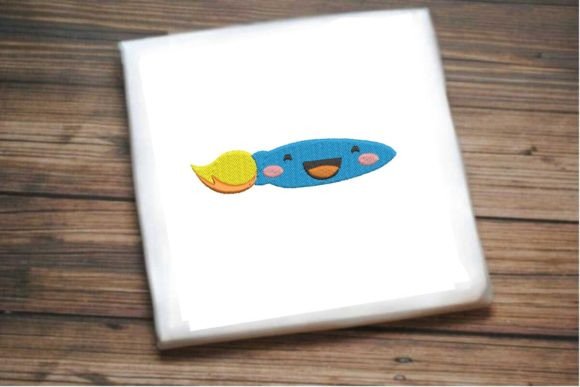
As an embroidery designer who’s prepped over 200 craft fair booths—and watched which designs stop shoppers mid-aisle—I opened Smiling Paintbrush expecting charm. What I got was immediate clarity: this isn’t just a paintbrush—it’s a friendly, expressive icon with personality. It reads as cheerful, modern, and warmly approachable—not too cutesy, not overly minimal, and absolutely free of visual clutter. That balance is gold for Back To School season, especially when you’re targeting teachers, art students, creative parents, and makers who value both function and feeling.
Where Smiling Paintbrush Shines On Real Craft Fair Products
This machine embroidery design thrives where handmade authenticity meets everyday utility. On a natural canvas tote bag? It pops without shouting—perfect for educators carrying lesson plans or artists hauling supplies. On a linen apron? It adds lighthearted professionalism, especially when paired with subtle thread colors like butter yellow and sky blue. For tea towel embroidery, the shape holds up beautifully—even on textured cotton towels—as long as stitch density isn’t excessive in the bristle area.
Smiling Paintbrush also works exceptionally well as an embroidered patch. Its clean silhouette and balanced proportions make it easy to trim, fuse, and apply to denim jackets, backpacks, or market bags. As a cap embroidery? Yes—but only on structured front panels (not curved bill areas), and always with lightweight stabilizer to avoid stiffness. On small fabric pouches or pillow covers? It scales down cleanly to 3–4 inches wide, retaining its smile and brush shape without distortion.
What Makes Smiling Paintbrush a Smart Sell for Handmade Sellers
From an Etsy seller’s perspective, Smiling Paintbrush is highly listable. It photographs well under natural light—no glare, no thread pooling—and translates effortlessly into a printable mockup. Buyers instantly “get it”: creativity, joy, school spirit, artistry—all in one glance. That kind of instant recognition cuts through scroll fatigue. As a small shop product, it supports brand consistency across collections: pair it with coordinating designs (like pencil sketches or palette motifs) and build a cohesive design assets library that feels intentional, not random.
For batch production, Smiling Paintbrush is forgiving. It doesn’t demand ultra-fine needles or specialty threads—standard 40-weight polyester or cotton works beautifully. The design avoids tiny lettering or micro-details, so there’s little risk of lost definition at common sizes (3.5"–5"). That means faster hooping, fewer restarts, and consistent quality across 20+ tote bags before lunchtime at your booth.
Careful-Use Notes Every Embroiderer Should Know
- Dense stitch areas: Check the bristle tip—if it’s tightly packed, reduce stitch density slightly on heavy fabrics or use cutaway + tear-away stabilizer combo.
- Fabric texture matters: On thick tea towels or terry cloth, test first—the smile detail may soften. Opt for medium-density stitching and crisp thread contrast (e.g., white thread on navy).
- Curved surfaces: Avoid placing Smiling Paintbrush near the crown seam of caps or deep darts on aprons—it’s best on flat, stable zones.
- Dark fabric warning: If embroidering on black or charcoal, verify thread colors in the digital embroidery file—some default palettes assume light backgrounds.
- Small-size clarity: Below 2.75", the smile and bristle separation may blur. Stick to 3" minimum for patches or pouches.
How Smiling Paintbrush Elevates Your Booth & Buyer Experience
A well-placed Smiling Paintbrush does more than decorate—it invites conversation. At my last craft fair, a teacher picked up a tote bag featuring this design and said, “That’s *exactly* how I feel walking into my art room.” That emotional resonance is rare—and powerful. It transforms a simple handmade product into a shared moment. Visually, it strengthens booth display cohesion: group it with neutral-toned items (cream tea towels, oatmeal pouches, slate-gray caps), and the design becomes the joyful anchor—not the distraction.
It also quietly signals craftsmanship. Because Smiling Paintbrush is described as “meticulously crafted with precision,” buyers subconsciously associate that care with your entire line—even if they buy a plain pillow cover. That perceived value lifts price tolerance and repeat interest. For commercial embroidery shops, it’s a reliable add-on for custom orders (e.g., “Add a Smiling Paintbrush to any apron!”), increasing average order value without extra marketing lift.
Practical Designer Notes Before You Stitch
- Always run a test sew on scrap fabric matching your final product’s weight and weave.
- Compare thread colors against your fabric swatches—especially for pastel or high-contrast combos.
- Review spacing between elements: ensure the smile and brush handle don’t crowd each other at your target size.
- Confirm hoop size compatibility—some versions may require a 5x7” hoop minimum.
- Inspect stitch density in the file preview—look for overlapping fills or unnecessary underlay in small zones.
- Use appropriate stabilizer: lightweight cutaway for knits, tear-away for stable wovens, and fusible + tear-away for towels.
- Create at least one real-life mockup—not just digital—and photograph it in natural light for your Etsy listing.
- Double-check commercial licensing terms before selling finished products—this is non-negotiable for commercial embroidery.
Final Thought: Smiling Paintbrush Isn’t Just Cute—It’s Conversion-Ready
In the crowded world of craft fair product development, Smiling Paintbrush stands out because it balances delight with practicality. It’s joyful but not juvenile, detailed but not delicate, thematic but not seasonal-trapped. Whether you’re an Etsy seller refreshing your Back To School collection, a boutique maker curating gift-ready items, or an embroidery business owner expanding your embroidery file offerings—this design earns its place in your workflow. It sells not because it’s clever, but because it feels true. And in handmade markets, truth—stitched with care—is what customers carry home.