Teacher Vibes: A Designer’s Real-World Embroidery Review
First Impressions: Whimsy That Feels Intentional
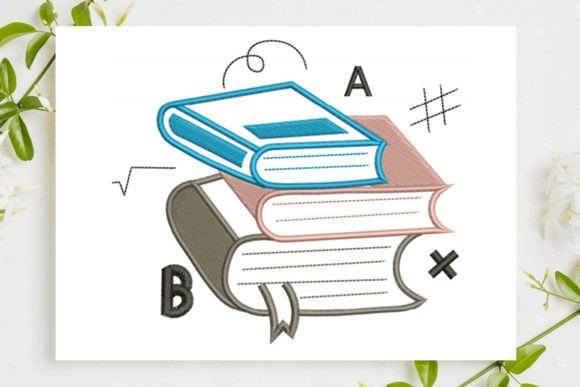
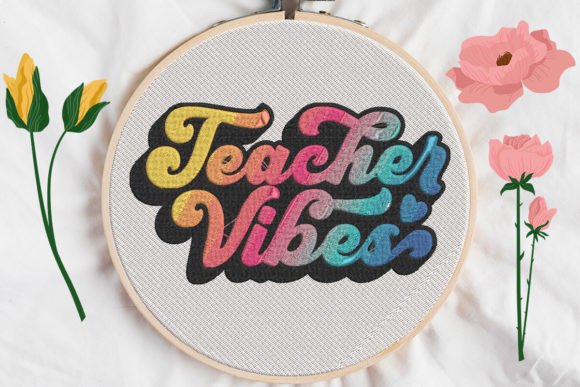
When I opened Teacher Vibes, I didn’t just see a back-to-school motif—I saw a mood. It’s playful but not childish, clever but not cutesy, and balanced in a way that avoids visual clutter. The composition leans into soft curves and open negative space, with subtle layering—think chalkboard texture beneath friendly script, maybe a tiny apple or pencil tucked into the letterforms. It doesn’t shout “classroom!”; it whispers “I love teaching—and I’ve got great taste.” That nuance matters when you’re stitching for real people, not clipart catalogs.
Real Project Test: The Boutique Tote Bag Launch
Last week, I used Teacher Vibes on a limited-run embroidered tote for a local teacher appreciation pop-up. Cotton canvas, medium-weight, slightly textured. I chose a muted sage thread with cream fill accents—not high-contrast, but warm and cohesive. The result? Instant recognition, zero confusion. Teachers paused, smiled, pointed, and asked where to buy more. Not because it was loud, but because it felt *true*. That’s the quiet power of this machine embroidery design: it supports the wearer’s identity instead of overriding it.
Where Teacher Vibes Shines (and Why)
- Custom apparel: Works beautifully on sweatshirt cuffs, t-shirt chest placements, and apron pockets—its proportions scale well without losing charm.
- Tote bag design & kitchen towels: The open layout breathes on larger surfaces; no dense fill stitch overwhelms the fabric.
- Baby embroidery & nursery decor: Soft edges and gentle theme make it ideal for onesies, burp cloths, or pillow covers—no sharp lines or aggressive saturation.
- Embroidered patch & holiday embroidery: Clean outlines hold up well when cut and fused; perfect for back-to-school gift sets or end-of-year thank-you bundles.
- Etsy seller & small shop product: It photographs well in natural light, reads clearly in printable mockups, and pairs effortlessly with minimalist branding—no extra design work needed.
Where to Pause—and Stitch Thoughtfully
Teacher Vibes isn’t magic—it’s a tool. And like any good tool, its success depends on context.
- Small hoop sizes: If your hoop is under 4” x 4”, check whether the full design fits comfortably. Some versions may require slight repositioning—or using just the central icon (like the apple + script combo) as a standalone element.
- Textured or stretchy fabric: On ribbed knit sweatshirts or slubbed linen tea towels, use medium-cutaway stabilizer. The satin stitch areas need support to stay smooth and legible.
- Dark fabric: Light-colored thread can fade visually if stitch density is too low. Run a quick black-and-white mockup first—you’ll spot where contrast drops off.
- Curved surfaces (caps, baby hats): Avoid placing tight script across crowns. Opt for simplified placement—centered above the bill, or rotated along the curve for better flow.
- Frequent-wash items (baby clothes, kitchen towels): Confirm thread quality and stitch density hold up after laundering. A running stitch outline around key elements adds durability without sacrificing charm.
What This Design Says About Your Handmade Product
When customers see Teacher Vibes on your finished product, they’re reading more than a motif—they’re sensing care, consistency, and craft judgment. It elevates a plain tote into a personalized gift. It turns a generic sweatshirt into a meaningful teacher appreciation piece. It tells Etsy shoppers you understand audience tone—not just trends. That builds trust faster than any description ever could.
For creative entrepreneurs, that’s ROI you can’t fake: higher perceived value, stronger repeat engagement, and fewer “meh” reviews about “not what I expected.” Because Teacher Vibes delivers what it promises—a genuine, unstaged, human-centered vibe.
Designer Notes You’ll Actually Use
- Test the embroidery file on scrap fabric *first*—especially if mixing thread colors or using specialty stabilizers.
- Review stitch density in your editing software. If fill areas look sparse on screen, they’ll read faintly on dark fabric.
- Inspect small details: Is the apple stem crisp? Does the chalkboard texture read as texture—not noise?
- Compare light and dark fabric backgrounds side-by-side in mockups. Adjust thread hue or weight accordingly.
- Use proper stabilizer—not just “some”—based on fabric weight and drape. Medium-cutaway is safest for most custom apparel and home decor uses.
- Check licensing before selling finished items or bundling the digital embroidery file. If terms aren’t clear in the product description, reach out to the creator.
- Remember: Teacher Vibes works best when paired with intention—not just placement, but purpose. Is this for a boutique launch? A teacher’s personal keepsake? A wholesale order? Let that guide your thread choices, backing, and finishing.
Final Thought: Charm With Craftsmanship
There are dozens of “teacher-themed” embroidery files out there. But few balance warmth, clarity, and commercial readiness like Teacher Vibes. It doesn’t try to be everything—it knows its lane: thoughtful, approachable, and quietly confident. Whether you’re stitching for a single client or scaling a craft business, this design earns its place in your design assets library—not because it’s trendy, but because it’s trustworthy.
That’s the mark of a truly usable machine embroidery design: it disappears into the product, leaving only the feeling you intended. And with Teacher Vibes, that feeling is unmistakable—respectful, joyful, and deeply human.